Pricing Waterfront And Historic Homes In Essex
March 24, 2026
March 24, 2026
Pricing a one-of-a-kind Essex home can feel tricky. Waterfront and historic properties do not follow a simple price-per-square-foot rule. You want to protect the value of your view, your shoreline access, and your home’s story, while also avoiding surprises during appraisal or underwriting. In this guide, you will learn what drives price on Lake Champlain, how to handle scarce comparables, and which prep steps and marketing choices help you capture a premium. Let’s dive in.
A clear, expansive lake view often commands the biggest premium. Research in The Appraisal Journal shows that markets price high-quality water views above other views, and appraisers must document how they adjust for view quality. That is one reason two similar shoreline homes can sell for very different numbers. If your home has broad southeast or east exposure to Lake Champlain, expect buyers to notice and value it. When we price, we quantify that view difference and show our math using recognized methods and support from the market. You can read how professionals benchmark scenic view premiums in the Appraisal Institute’s guidance on view adjustments.
Appraisal Institute research on view premiums
A gentle, usable shoreline with deeded riparian rights is usually worth more than a steep bank or wetland fringe that limits access. Continuous private frontage often brings a higher price than shared or seasonal access. A current boundary survey that shows shoreline width, setbacks, and easements helps support your price and reduces buyer doubt. Essex’s waterfront is guided by the Town’s Local Waterfront Revitalization Program and a Shoreline Overlay, which affect how changes near the water are reviewed. Buyers and lenders often ask for proof that any waterfront improvements match local rules.
Essex Local Waterfront Revitalization Program
A well-maintained, permitted dock or boathouse is a marketability win. Unpermitted structures can create price pressure, lender issues, or removal requirements. In Essex, many shoreline projects fall under overlapping jurisdictions. The Adirondack Park Agency may need to review work in or near the water, and other approvals can apply. If you upgraded docks, bulkheads, or shore protection, keep your permit file organized so buyers see a clean history.
APA and local permitting notes for shoreline projects
Elevation relative to FEMA’s Base Flood Elevation can affect buyer affordability and offers. If a structure is in a Special Flood Hazard Area, federally backed loans generally require flood insurance. Sellers should gather elevation certificates and insurance history early. Having accurate documentation gives buyers clarity and can help with underwriting.
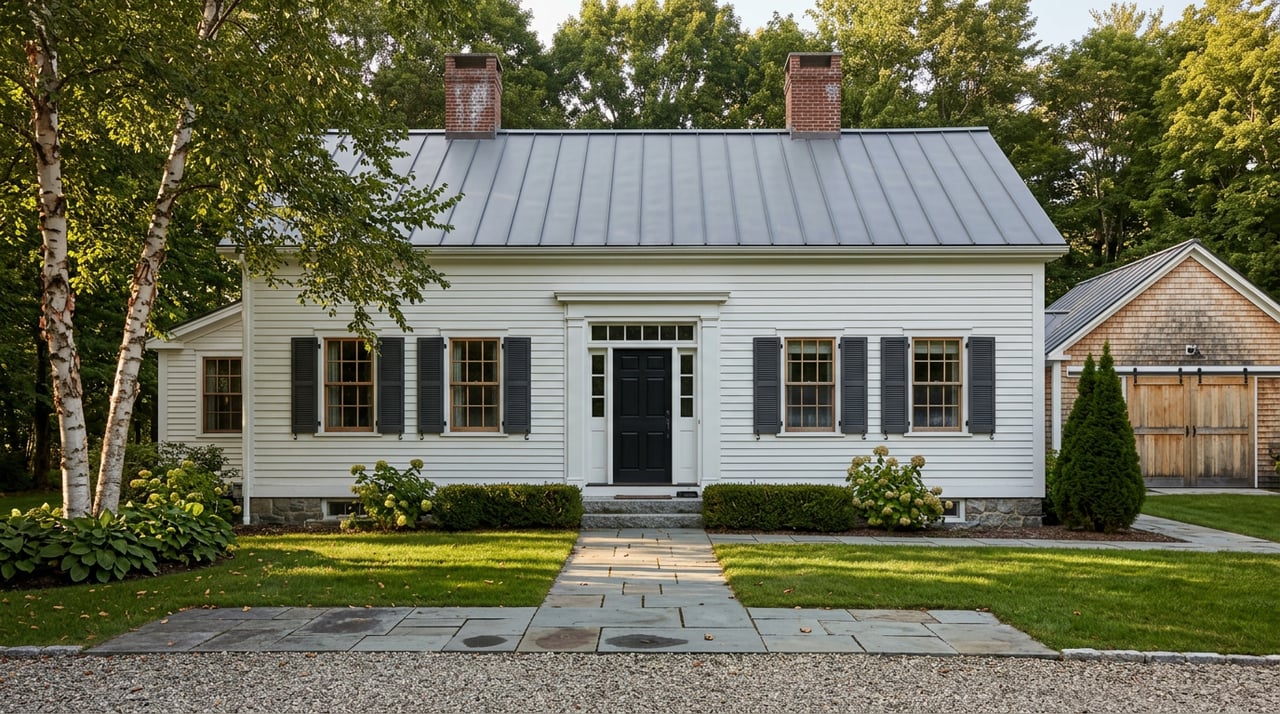
Essex Village is known for its Federal and Greek Revival-era architecture. Architectural integrity and documented history tend to add value for buyers who prize authenticity. Being in or near a historic district often means exterior changes receive extra review, which some buyers view as neighborhood protection. It also means you should keep records of any prior approvals for exterior work so appraisers and lenders can confirm a consistent history.
Essex waterfront and historic district planning context
For eligible properties, federal and New York State rehabilitation tax-credit programs can change the numbers for an owner who invests in certified work. If you recently completed a qualified restoration or plan one before sale, keep your paperwork in order. Buyers and their accountants will want to see approvals and costs.
Federal rehabilitation tax incentives
New York State historic tax credits
Note: Program rules and caps can change. Consult NY SHPO and a tax professional to confirm current eligibility and benefits for your specific property and plan.
Large lots, barns, guest cottages, and boathouses can lift value, especially when they are legal and permitted. In the Adirondack Park, some upgrades or expansions can trigger state or health-department review, particularly near the shoreline or within 100 feet of mean high water. If you have a permitted accessory dwelling or updated septic, make sure the approvals and certifications are easy to verify. Unpermitted outbuildings are more likely to become price or closing issues.
In small waterfront markets, exact match sales are rare, so the Sales Comparison Approach still leads, but it requires care. We look for the closest recent sales and then support adjustments for view quality, shoreline type, frontage, condition, and permitted improvements. If Essex sales are thin, we may widen the search to nearby Lake Champlain hamlets with a similar buyer base and then make time and location adjustments with clear written support. Guidance on view adjustments underscores why we treat view quality as a measurable factor.
How appraisers justify view adjustments
When there are few comps for a boathouse, guest cottage, or a certified restoration, the Cost Approach helps anchor contributory value. We reconcile replacement cost with market reaction rather than relying on cost alone. This is especially useful when recent, documented restoration spending or specialized structures would be underrepresented in basic comps.
Core appraisal approaches explained
If your property has a proven rental history or B&B use, we also consider the Income Approach as a cross-check. Verified booking histories and occupancy data help support investor interest. We do not rely on projections without proof. Instead, we use what the market has paid for similar income characteristics.
How appraisers use the Income Approach
We focus on closed sales over active listings and apply time adjustments supported by market indicators. County-level MLS reports can provide context on median prices and inventory, but we confirm town-level realities through local data before setting price in Essex.
New York Statewide MLS market indicators
Before listing, assemble the paper trail. Include your survey showing shoreline width and setbacks, building permits, any Adirondack Park Agency or state approvals, and dock or harbormaster authorizations if applicable. If flood insurance is in play, add elevation certificates and policy documents. A clear packet reduces questions, supports appraisal, and helps underwriting move faster.
Essex LWRP and shoreline review references
Compile any National or State Register listings, photos of period features, and if used, your Part 1 and Part 2 approvals that support tax-credit eligibility. Keep invoices that show Qualified Rehabilitation Expenditures. This evidence helps appraisers, buyers, and their advisors understand both the scope and the quality of the work.
How to document certified rehabilitation work
A pre-listing inspection, septic and well certification, and a shoreline or seawall assessment help you avoid last-minute negotiation shocks. If you completed permitted stabilization or riprap, include that proof. Buyers of waterfront properties care about resilience and ongoing ownership costs, and clear documentation builds confidence.
Lake Champlain shoreline and resilience resources
New York State historic tax-credit program overview
For permits and jurisdiction questions, start here: Adirondack Park Agency permitting overview
If you own a waterfront or historic property in Essex, you deserve a pricing plan that captures your view, your shoreline, and your home’s story, while avoiding surprises in escrow. Let’s build that plan together, from valuation and prep to premium marketing and negotiation. To get started, connect with Heather Maxey for a local market review and Get a Free Home Valuation.
Stay up to date on the latest real estate trends.
Get assistance in determining current property value, crafting a competitive offer, writing and negotiating a contract, and much more. Contact me today.